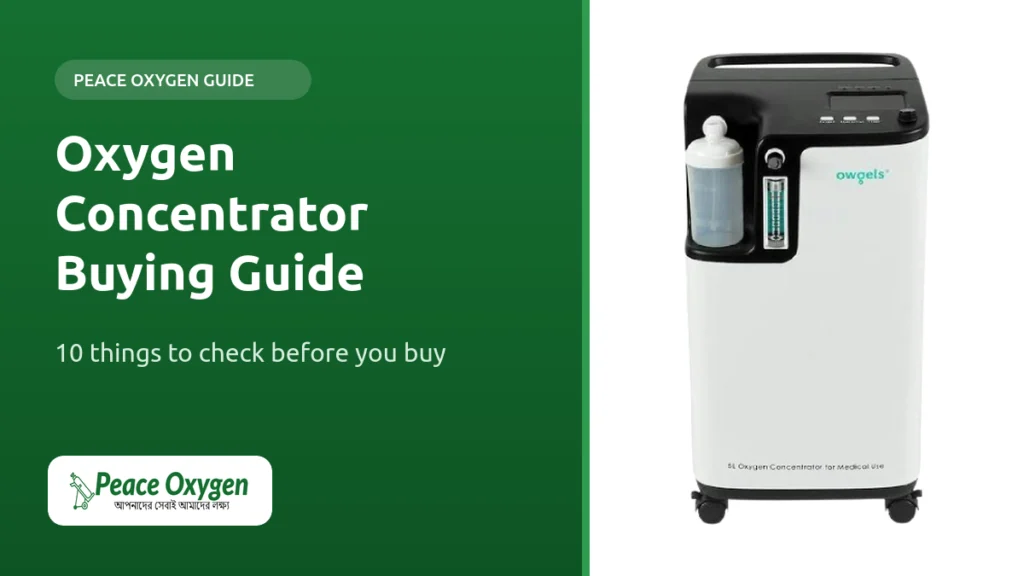
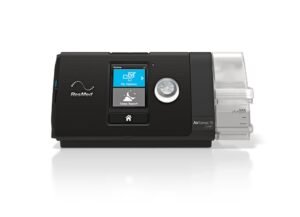
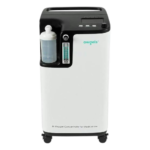
Quick answer: before you buy an oxygen concentrator in Bangladesh, match its flow rate (litres per minute) to the prescription, choose between a home (continuous flow) and a portable (usually pulse flow) model, check the oxygen purity at that flow rate, and plan for load-shedding, filters and local service. Most home patients use a 5-litre concentrator; patients prescribed higher flows need a 10-litre model.
This guide covers the 10 things to check, typical prices in Bangladesh, what to look for in a used concentrator, and when renting makes more sense. It is general information: the flow rate and hours of use must come from your doctor.
10 things to check before you buy
1. The prescribed flow rate
Concentrators are rated by the maximum flow they deliver, such as 2, 5 or 10 litres per minute (LPM). Pick a model whose rated flow is above the flow your doctor prescribed, so it is not running at its limit all day.
2. 5-litre or 10-litre
A 5L concentrator suits most home patients on 1 to 4 LPM. A 10L model is for patients who need higher flows, and some 10L models can supply two patients. Small 2L models are cheaper but only suit low prescriptions.
3. Home or portable
Home concentrators plug into the wall and give continuous flow. Portable concentrators run on batteries and usually give pulse flow, which delivers oxygen only when you breathe in. Pulse flow is not suitable for every patient or for use during sleep, so ask your doctor before choosing a portable unit.
4. Oxygen purity at your flow rate
Medical concentrators typically deliver around 90 to 96% oxygen at their rated flow. Check the purity figure in the specifications and prefer a model with a purity indicator or low-oxygen alarm.
5. Power use and load-shedding
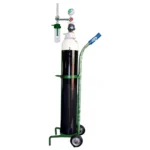
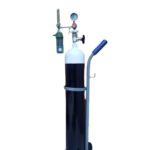
A concentrator stops producing oxygen when the power goes off. Check the rated power in watts so you can size an IPS or UPS correctly, and keep an oxygen cylinder as backup if the patient cannot go without oxygen.
6. Alarms
Useful alarms include power failure, low oxygen purity, high or low flow, and high temperature. They warn you before the patient is affected.
7. Noise, size and weight
A concentrator often runs all night next to the bed. Compare the noise level in decibels and check the weight and wheels if it needs to move between rooms.
8. Filters, humidifier and running costs
Filters need regular cleaning and replacement, and the humidifier bottle needs clean water. Check that filters and accessories are available locally for the model you choose.
9. Warranty and service in Bangladesh
Ask what the warranty covers, how long it lasts and who repairs the machine. A model with local service and spare parts is safer than a cheaper unit nobody can fix. See oxygen concentrator repair in Dhaka.
10. Buy or rent
If oxygen is needed only for a few weeks, for example after pneumonia or surgery, renting an oxygen concentrator in Dhaka can cost less than buying. For long-term oxygen therapy, buying is usually better value.
*Prices listed on the Peace Oxygen shop on 26 October 2026; they change with stock and exchange rates. See all oxygen concentrator prices. Peace Oxygen delivers concentrator purchases across Bangladesh; rentals are available inside Dhaka only.
Buying a used oxygen concentrator
Ask for the hours meter reading; high hours mean more wear on the compressor and sieve beds.
Ask the seller to show the purity reading at your flow rate, or have it tested with an oxygen analyser.
Check that all alarms work and the machine runs quietly without overheating.
Ask for the service history and whether filters and sieve beds were replaced.
Avoid machines with no brand, no model number or no local service support.
Need help choosing? Call or WhatsApp Peace Oxygen at 01719-677350.
Frequently asked questions
Which oxygen concentrator is best for home use?
For most home patients a 5-litre continuous-flow concentrator is enough. Patients prescribed higher flows need a 10-litre model. The right choice depends on the flow rate your doctor prescribes.
How much does an oxygen concentrator cost in Bangladesh?
On the Peace Oxygen shop on 26 October 2026, 2L models were listed from about 16,000 taka, 5L models from 35,000 to 43,000 taka, 10L models from 55,000 to 58,000 taka, and a Philips model at 120,000 taka.
What is the difference between a 5L and a 10L oxygen concentrator?
The number is the maximum flow in litres per minute. A 5L unit suits most patients on low to moderate flows; a 10L unit is for higher prescribed flows.
Can an oxygen concentrator run during load-shedding?
Not without power. Use an IPS or UPS sized for the concentrator’s wattage, and keep an oxygen cylinder as backup for patients who need continuous oxygen.
Should I buy a used oxygen concentrator?
Only if you can check its hours meter, oxygen purity, alarms and service history, and it has local service support.
Is it better to rent or buy an oxygen concentrator?
Renting suits short-term needs of a few weeks. Buying is usually better value for long-term oxygen therapy. Peace Oxygen rents concentrators inside Dhaka.