Quick answer: when the lungs are damaged, they cannot move air in and out or pass oxygen into the blood as well as they should. The result is usually shortness of breath, a lasting cough, tiredness and, in more serious cases, low blood oxygen levels that strain the heart. Some lung damage, such as that caused by an infection, can heal with treatment. Other damage, such as scarring (fibrosis) or emphysema, is permanent, but treatment can slow it down and make breathing easier.
This guide explains what happens inside damaged lungs, the symptoms to watch for, common causes in Bangladesh, how doctors diagnose and treat lung damage, and when home oxygen may be needed. It is general information and does not replace advice from a doctor.
What happens inside the body when the lungs are damaged?
Healthy lungs carry air through branching airways to millions of tiny air sacs (alveoli), where oxygen passes into the blood and carbon dioxide passes out. Damage can affect any part of this system:
- Airways: inflammation and mucus narrow the tubes, as in asthma, COPD and bronchiectasis, so it is harder to breathe out and the chest can wheeze.
- Air sacs: in emphysema the walls of the air sacs break down, and in pulmonary fibrosis lung tissue becomes thick and stiff. Both leave less surface for oxygen to cross into the blood.
- Blood vessels: long-term low oxygen can raise blood pressure in the lungs (pulmonary hypertension) and make the right side of the heart work harder.
- Lining of the lungs (pleura): inflammation or fluid around the lungs can cause sharp chest pain and breathlessness.
As a result, blood oxygen levels may fall (hypoxaemia), carbon dioxide may build up in some patients, and everyday activities such as climbing stairs become tiring.
Symptoms of damaged lungs
- Shortness of breath, first during activity and later even at rest
- A cough that lasts more than eight weeks, with or without phlegm
- Wheezing or a tight chest
- Chest pain that gets worse when breathing deeply or coughing
- Frequent chest infections that take a long time to clear
- Constant tiredness and reduced ability to exercise
- Coughing up blood
- Unexplained weight loss
- Bluish lips or fingertips, swollen ankles, or rounded fingertips (clubbing) in long-standing disease
Emergency warning signs
Go to a hospital immediately for severe breathlessness, blue or grey lips, confusion or drowsiness, chest pain, coughing up a large amount of blood, or a pulse oximeter reading that stays low. For most people a reading below about 92% needs urgent medical advice, although doctors may set a different target for people with COPD. Learn how to use a pulse oximeter correctly.
Common causes of lung damage
- Smoking and tobacco smoke, the leading cause of COPD and lung cancer.
- Air pollution, including outdoor pollution in cities such as Dhaka and indoor smoke from cooking with wood, straw or dung.
- Infections such as pneumonia, tuberculosis (TB) and COVID-19.
- Workplace dust and fumes, for example from construction, stone crushing, brick kilns and textile work.
- Long-term lung diseases such as COPD, asthma, bronchiectasis and interstitial lung disease (pulmonary fibrosis).
- Other causes, including some autoimmune diseases, radiation treatment, certain medicines and lung cancer.
COVID-19 and lung damage
COVID-19 can cause pneumonia that inflames the air sacs and lowers blood oxygen, which is why many patients needed medical oxygen during the pandemic. Most people with mild illness recover without lasting lung damage. People who had severe pneumonia or were treated in hospital are more likely to have breathlessness and changes on CT scans for months afterwards. Early studies of hospitalised patients found that most still had lung changes on CT at discharge, and many of these improved over the following months. Anyone who stays short of breath after COVID-19 should have a follow-up check.
Can damaged lungs heal?
It depends on the cause. Inflammation and infection, such as pneumonia, often heal fully with the right treatment. Scarring from fibrosis and the air-sac damage of emphysema cannot be reversed, but stopping smoking, treating the underlying disease and staying active can slow further damage and help you breathe more comfortably. Many people live for years with stable lung damage when it is well managed.
How doctors check for lung damage
- Pulse oximetry to measure blood oxygen
- Chest X-ray or high-resolution CT scan
- Spirometry and other lung function tests
- Arterial blood gas test to measure oxygen and carbon dioxide
- Six-minute walk test
- Sputum tests, for example to check for TB
Treatment and management
- Treating the cause, such as antibiotics for pneumonia or a full course of TB medicines
- Inhalers and other medicines prescribed for asthma or COPD
- Pulmonary rehabilitation: supervised exercise and breathing training
- Vaccines recommended by your doctor, such as flu and pneumococcal vaccines
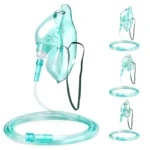
- Home oxygen therapy when blood oxygen stays low, only at the flow rate your doctor prescribes
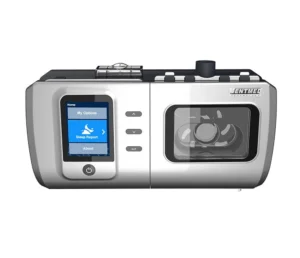
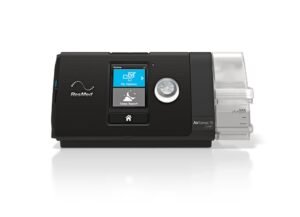
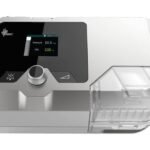
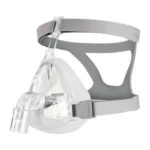
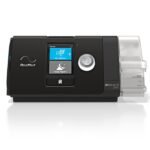
- Non-invasive ventilation with a BiPAP machine for some patients with high carbon dioxide levels
- In rare, advanced cases, lung transplant assessment
Home oxygen for damaged lungs
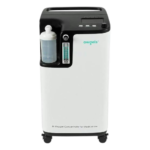
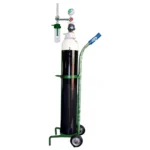
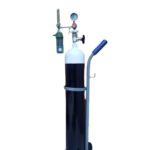
If your doctor prescribes oxygen, it can be given at home with an oxygen concentrator for long daily use or an oxygen cylinder for backup and short-term use. If you need oxygen only for a few weeks, for example while recovering from pneumonia, you can rent an oxygen concentrator or rent an oxygen cylinder in Dhaka. Before starting, read our oxygen safety guidelines. Oxygen should not be used without a prescription, because too much can be harmful for some lung patients.
How to protect your lungs
- Stop smoking and avoid other people’s smoke.
- Limit exposure to polluted air: check air quality, wear a well-fitting mask on high-pollution days and keep cooking areas ventilated.
- Use protective masks at work if you are exposed to dust or fumes.
- Prevent infections with hand washing and recommended vaccines, and get a cough that lasts more than two weeks checked for TB.
- Stay active. Regular walking and breathing exercises recommended by your doctor help your lungs and muscles work better.
- Take medicines and inhalers exactly as prescribed and attend follow-up visits.
Need help setting up oxygen at home? Call or WhatsApp Peace Oxygen at 01719-677350.
Frequently asked questions
What happens if your lungs are damaged? Damaged lungs move air and pass oxygen into the blood less efficiently. This causes shortness of breath, coughing and tiredness, and in serious cases low blood oxygen that puts strain on the heart.
What are the first signs of lung damage? Common early signs are breathlessness during activity, a cough that does not go away, wheezing, frequent chest infections and feeling tired more easily than before.
Can damaged lungs repair themselves? Lung damage from infection or inflammation often heals with treatment. Scarring and emphysema are permanent, but treatment and stopping smoking can slow them and improve breathing.
Can you live a normal life with damaged lungs? Many people with mild or stable lung damage live active lives with the right treatment, pulmonary rehabilitation and, if prescribed, home oxygen.
Does COVID-19 cause permanent lung damage? Most people with mild COVID-19 do not get lasting lung damage. People who had severe pneumonia are more likely to have lung changes, and many of these improve over months.
When does a lung patient need oxygen at home? A doctor prescribes home oxygen when tests show that blood oxygen stays low. The flow rate and hours of use should always follow the prescription.