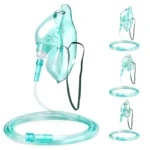
Nitrous oxide (N2O), often called laughing gas, is a colourless gas used in medicine for short-acting pain relief, anxiety relief and as part of anaesthesia. It works within minutes, wears off quickly once it is stopped, and is always given mixed with oxygen. Below are 10 established and emerging medical uses of nitrous oxide, followed by its side effects and safety rules.
This article is general information. Nitrous oxide must only be given by trained health professionals with proper equipment.
10 medical uses of nitrous oxide
1. Dental sedation
The best-known use. Dentists give a nitrous oxide and oxygen mix through a small nose mask to relax anxious patients and children during fillings, extractions and cleaning. Patients stay awake and can respond.
2. Pain relief in labour
A 50:50 mix of nitrous oxide and oxygen (often sold as Entonox) is breathed through a mouthpiece during contractions. The mother controls it herself and the effect fades within minutes.
3. Part of general anaesthesia
Anaesthetists may add nitrous oxide to other anaesthetic gases. It adds pain relief and lowers the amount of the main anaesthetic needed, although its use in operating theatres has fallen in recent years.
4. Emergency and ambulance pain relief
Paramedics and emergency teams use premixed nitrous oxide and oxygen for quick pain relief from fractures, dislocations and injuries while the patient is moved or assessed.
5. Children’s procedures
Hospitals use it to calm children and reduce pain during cannula insertion, stitching cuts, setting simple fractures and other short procedures, often avoiding deeper sedation.
6. Wound dressing and burns care
Breathing the gas during painful dressing changes, drain removal or burns care helps patients tolerate the procedure.
7. Minor gynaecological and urology procedures
Some clinics offer it during procedures such as IUD insertion, hysteroscopy or prostate biopsy as an option alongside local anaesthetic.
8. Endoscopy and colonoscopy
In some hospitals nitrous oxide is used as a short-acting alternative to sedative injections for colonoscopy, so patients recover and can go home sooner.
9. Cryotherapy
Compressed nitrous oxide is used as a freezing agent in cryotherapy devices to treat skin lesions and abnormal cervical cells.
10. Research into depression
Clinical trials are studying low-dose nitrous oxide for treatment-resistant depression. This use is still experimental and is not a standard treatment.
Side effects and safety
- Common, short-lived effects: dizziness, tingling, nausea, headache and sweating.
- Oxygen is given afterwards to prevent low oxygen levels (diffusion hypoxia) as the gas leaves the body.
- It is usually avoided with a collapsed lung (pneumothorax), bowel obstruction, middle-ear or certain eye surgery with a gas bubble, severe vitamin B12 deficiency, and in early pregnancy unless a doctor decides otherwise.
- Repeated recreational use can inactivate vitamin B12 and cause serious nerve damage. Nitrous oxide should never be inhaled outside medical supervision.
Nitrous oxide vs medical oxygen
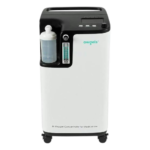
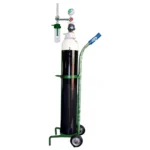
Nitrous oxide is a medicine for pain and anxiety; it does not treat low blood oxygen. Patients with breathing problems need prescribed medical oxygen from an oxygen cylinder or an oxygen concentrator. Read our oxygen safety guidelines for safe use at home.
Frequently asked questions
What is nitrous oxide used for in medicine? Mainly for dental sedation, pain relief in labour, emergency pain relief, short painful procedures in children and adults, and as part of general anaesthesia. It is also used as a freezing agent in cryotherapy.
Is nitrous oxide the same as laughing gas? Yes. Laughing gas is the common name for nitrous oxide (N2O).
Is nitrous oxide safe? It is considered safe when given briefly by trained staff mixed with oxygen. Side effects are usually mild and short-lived. Misuse outside medical care can cause vitamin B12 deficiency and nerve damage.
How long does nitrous oxide last? The effect starts within a few minutes and usually wears off within a few minutes after the gas is stopped.